
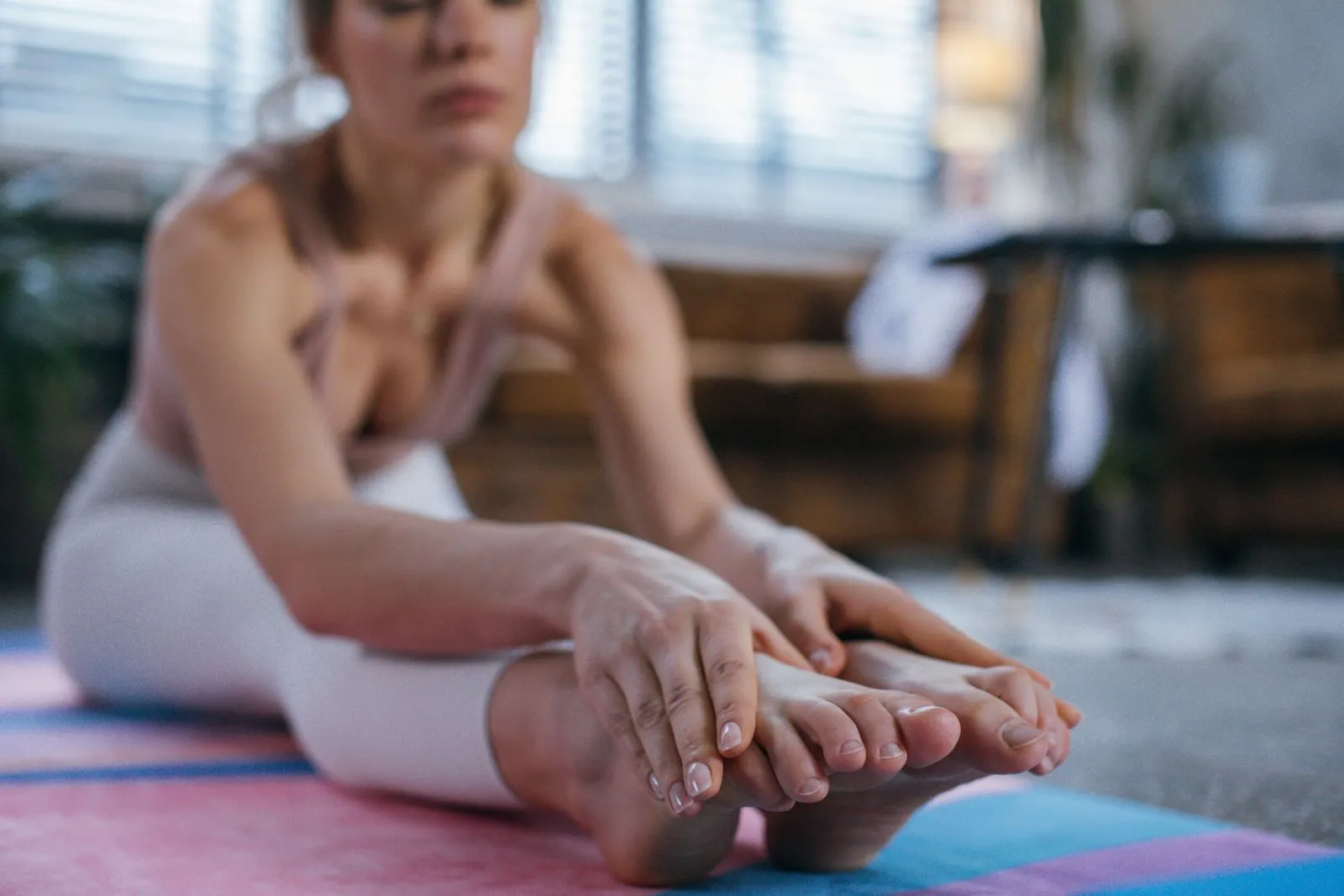
Starting Pilates for core strength is less about chasing a burn and more about learning how your body moves. Your core includes muscles around your abdomen, back, hips, and pelvis that help steady you as you bend, reach, and change position. Pilates gives you a way to notice and coordinate those muscles through controlled movement and breathing. Begin with simple exercises, comfortable ranges of motion, and steady attention—not by trying to make every movement harder.
What Core Awareness Means
Core awareness is the ability to notice how your trunk supports movement. It is not the same as holding your stomach in as tightly as possible. During Pilates, you practice gently engaging around your abdomen and pelvis while keeping your breathing free. That balance helps you move with control instead of relying on momentum or gripping your neck and shoulders.
Try this before an exercise: lie on your back with your knees bent and feet on the floor. Let your ribs and pelvis rest comfortably, then take a calm breath. As you exhale, feel your lower abdomen respond gently. Keep that light support as you inhale again. Your body should still feel able to breathe and move.
Start With Simple Movements
A beginner-friendly starting point is pelvic tilting. Lie on your back with your knees bent. Slowly rock your pelvis so your lower back gently changes its contact with the mat, then return to a comfortable middle position. Keep the movement small and smooth. This helps you explore how your pelvis and lower back move without asking you to lift or strain.
Next, try heel slides. From the same position, gently engage your core and slide one heel away until your leg lengthens as far as you can control. Bring it back, then switch sides. Keep your pelvis steady and breathe naturally. If your back arches, your hips rock, or you feel tension building, shorten the slide or pause.
Build Control Before Challenge
In Pilates, a smaller, well-controlled movement is often a better starting point than a larger one. Move slowly enough to notice whether your ribs, pelvis, and shoulders stay relaxed. If you lose control, reduce the range, bend your knees, or take a rest. You can gradually add repetitions or try a more demanding variation when the basic version feels steady.
Use your breath as a guide, not a rule to force. Many people find it helpful to exhale during the effort and inhale as they return, but keep breathing comfortable. Stop if you feel sharp pain, dizziness, or unusual discomfort. If you have an injury, ongoing pain, or a health concern, ask a qualified healthcare professional or Pilates instructor how to adapt your practice.
Make Practice a Habit
Choose a quiet space where you can lie down and move without rushing. A mat or other comfortable surface can help, and you do not need special equipment to explore basic movements. Set a modest goal, such as practicing a few controlled repetitions of pelvic tilts and heel slides. Consistent attention to alignment and breathing matters more than pushing through fatigue.
After each session, notice what felt clear and what felt difficult. Did you keep breathing? Could you control the movement on both sides? Use those observations to decide whether to repeat the same version next time or make a small adjustment. Beginner-friendly online instruction can provide cues and options so you can practice at home with a clearer sense of what to look for.
Pilates core strength begins with awareness: gentle support, steady breathing, and movements you can control. Start with a few foundational exercises, adjust the range to suit your body, and build gradually. When you’re ready for guided practice, explore beginner classes with Long Beach Pilates and find a pace that feels right for you.